The 70% Rule Deal Calculator
Type in the after-repair value, the repairs and your costs, and it shows your maximum offer, your holding costs and how much room you have for surprises. Run every listing through it before you fall in love with one.
The step-by-step kit for working women: take the listing you already saved and find out how much cash it would really take, what the numbers depend on and what to check before you make an offer. From your kitchen table, after work. Even if you’ve never held a hammer.
“Sitting at work. Doing research and I have this question.” The goal: get the numbers straight “before I even waste anyone time.”
“It feels odd draining all of my cash to fund the project.” The money pit isn’t the only fear. It’s the savings you can’t get back quickly.
The shows skip the boring part, and the boring part is where first flips are won or lost. Before you make an offer, you know what the house will be worth after the work, what the work costs and the most you can pay. That one habit keeps you out of the money pit. The difference isn’t luck or a construction background. It’s running every house through the same numbers before you fall in love with it.
The 70% rule is only the first filter. Experienced flippers call it “a high level sanity check on any deal,” and some say it’s “outdated and not nuanced enough.” So the kit goes one step further: how much cash leaves your account before the first draw, what happens if April becomes June, and what the deal looks like if it sells for less.
“there were periods where he would just not reply” … “monthly interest as well as loan extension costs.”
A first flip that finished in late June instead of April
Example only, to show how the 70% rule works: $250,000 × 70% − $40,000 = $135,000. Every house, market and budget is different, and the rule is a first filter, not a full analysis.
None of this means you can’t do it. It means you need the steps in order and the numbers on one page, and this kit hands you both.
Sellers get motivated in fall and winter, buyers come out in spring and summer. The woman who already knows her numbers when the right house shows up is the one who gets to make the offer.
Enough time to learn the numbers, pick your market and walk your first houses, before you spend another year just watching.
That’s how a tired house becomes a home somebody wants, with you making the decisions and the pros doing the heavy lifting.
Pick your market, pull the comps, check the 70% rule and the cash it really takes. Most houses get a no, and that’s the point.
Compare funding options, write the scope of work, hire the contractor and check in once a week. You manage, the crew builds.
Finish the last details, stage it on a budget, price it with your agent and get it under contract. Find it, fix it, sell it.
Each one has its checklist, its budget lines and its typical scope inside, for the house you’re looking at today. These are the changes buyers pay for.
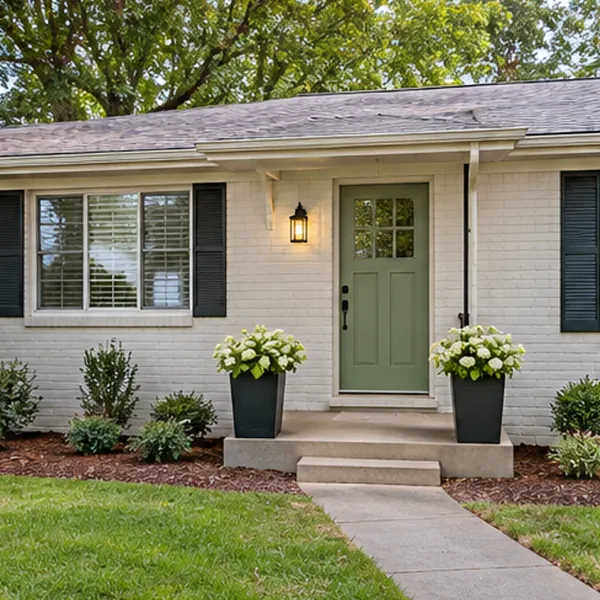
The dated ranchA classic first flip
The tired kitchenThe room that sells
The old bathroomSmall room, big impact
Floors & paintCheap fixes, big change
Curb appealThe first impression
Staged & listedReady for showingsExample scenes. Not a promise of any result. Costs, values and timelines depend on the house, your market, your team and the economy.
After workSearching listings, pulling comps, running the calculator, emailing your agent and lender: most of the thinking happens at night and on weekends, from home.
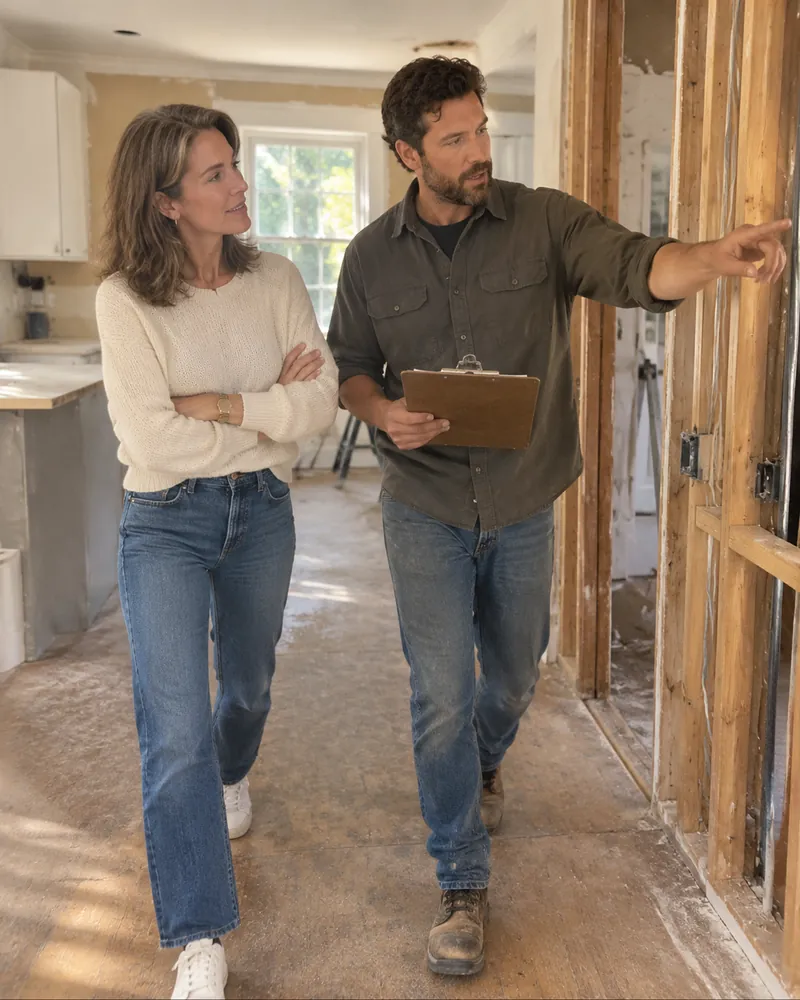
On the job siteYou walk the house, approve the scope and check progress once a week with your checklist. The contractor does the work. You make the decisions and keep the budget.
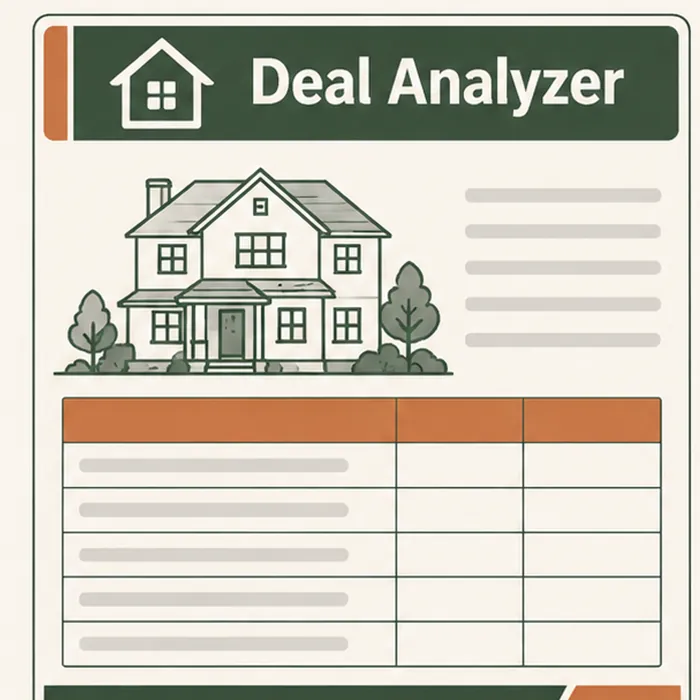
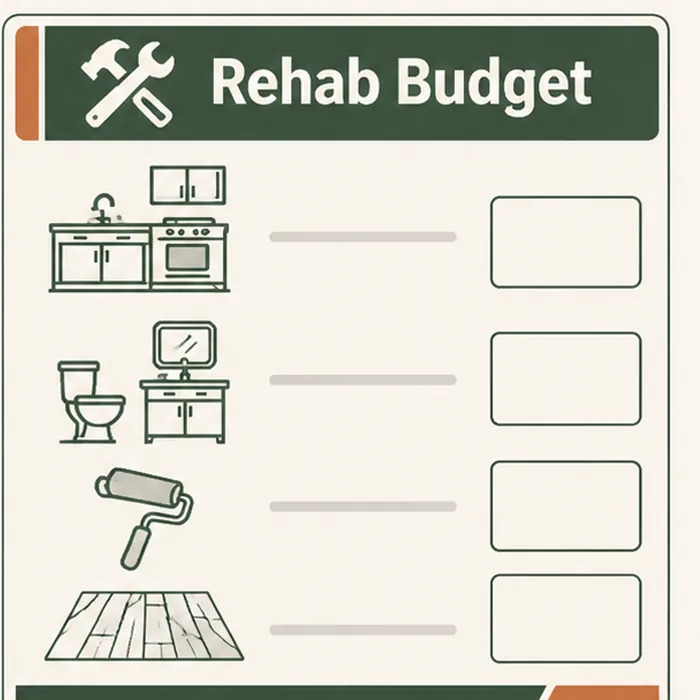
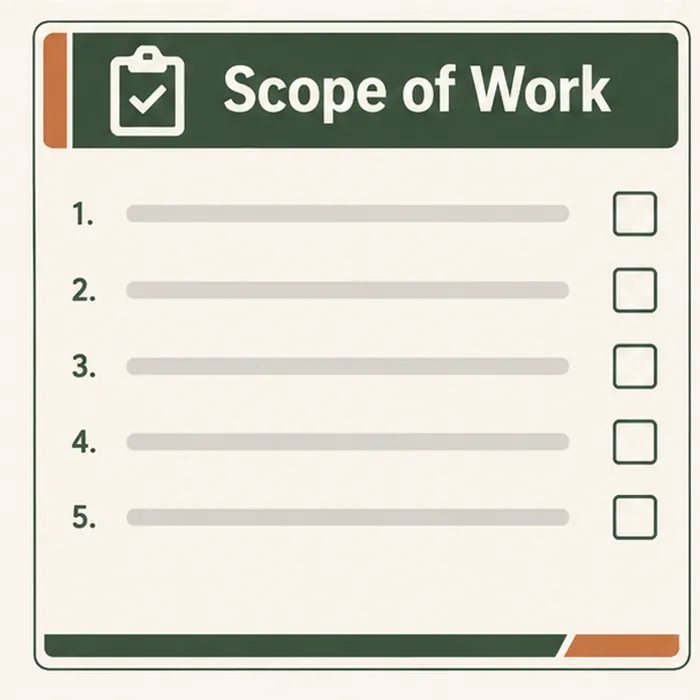
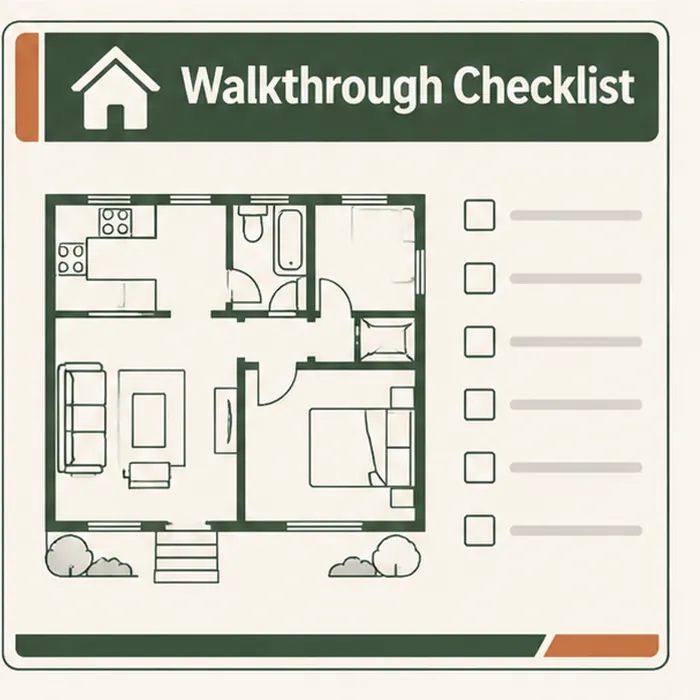
These are the kinds of pages inside: the deal analyzer, the rehab budget, the scope of work and the walkthrough checklist. Every one is ready to use on the next listing you see.
The kit gets you through your first deal. These three solve what stops most women before the first offer: the numbers, the contractor and the money. And you still get 5 more bonuses on top.

Type in the after-repair value, the repairs and your costs, and it shows your maximum offer, your holding costs and how much room you have for surprises. Run every listing through it before you fall in love with one.

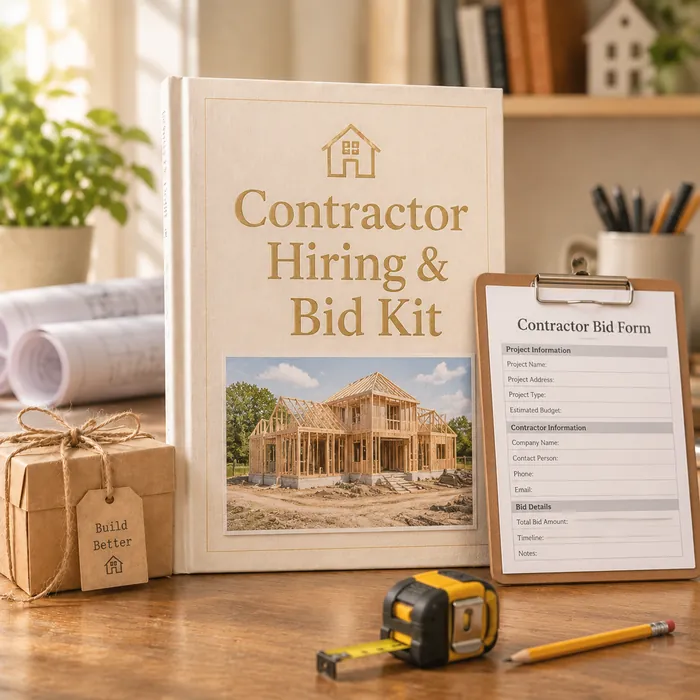
The questions to ask, the bid comparison sheet, the payment-by-milestone schedule and the weekly check-in form. So you never pay for work that isn’t done.

Hard money, private lenders, a HELOC, a partner or cash, side by side: what each one costs, what it asks of you and the risks to weigh. Walk into the lender call knowing what to ask.
Open the kit, run three real listings through the calculator and walk your first house with the checklist. If it isn’t for you, send one email within 7 days and we’ll refund you in full. No forms, no hard feelings.

They were exactly where you are, sure flipping was only for people with cash, a crew and all day free.
Kelly ›
Denise ›
Erin ›

Open Kit 1, follow the example deal from listing to decision and pick the area you’ll focus on. No money spent, no offer yet.
Start with the listing you already saved. Pull comps with Kit 3, run the calculator and the cash worksheet, then move the finish date back a month. See which ones would actually work.
Take a one-page brief to an investor-friendly agent and two lenders, with the exact questions to ask, and compare their answers with the Funding Options Playbook.
Take the walkthrough checklist to a showing and start the rehab budget room by room. That’s how real investors start.
That’s it. One week, real numbers on real houses, and the next step always written down in front of you.
From the first listing you look at to the day you hand over the keys, every step on paper before you spend a dollar.
Where to look, what to look for and which houses to walk away from, with a plan that fits around your job.

The deal calculator and the worksheets that tell you your max offer. No offer until the numbers work.

What each option costs, what lenders ask for and the risks to weigh before you sign anything.

How to budget each room, hire the right contractor and keep the job moving with one check-in a week.

What to finish last, how to stage on a budget and how to work with your agent so buyers fall for it at the first showing.

The walkthrough checklist, the holding cost planner, the email scripts, the ARV worksheet and your first 90 days on one page.

What they say once the numbers finally make sense.
“I’d watched flipping shows for six years and never made a single call. The roadmap gave me one step a week. I ran twenty listings through the calculator before one worked, and that’s the house I’m under contract on now, with my scrubs still in the car.”
“I’m an accountant and I still didn’t know how much cash a flip really takes. The cash worksheet split it into closing, the weeks before the first draw and the reserve I won’t touch. It showed me why the deal I loved was a bad idea, and I walked away without losing sleep.”
“Contractors were my biggest fear. I used the bid sheet with three of them, and one had left out the whole electrical panel. I hired the one with the clearest scope and paid by milestone. The kitchen came in on budget.”
“I manage a dental practice, so schedules and vendors I can do. What I didn’t know was the order of things. Now I check in with my contractor every Saturday morning, and everything else happens on my laptop after dinner.”
No. The kit starts from zero: what a flip is, the words lenders and contractors use and the 7 phases in order. If you can follow a checklist and use a spreadsheet, you’re ready.
No license is needed to buy, renovate and sell a property as an investor. You’ll work with a licensed agent, a lender, an inspector, a title company and a contractor, and the kit shows you how to find and work with each one.
Most of the work is research, numbers and phone calls you can do at night and on weekends. You’ll still need to walk houses and check on the job, which is why the kit has a weekly check-in system and shows you what to hand off. It is real work, just not all-day work.
The searching, the numbers, the planning and most of the coordination happen from home, after work. A real house still needs someone on site: you on a lunch break or a Saturday, your contractor, your agent and your inspector. Kit 1 helps you plan who covers what before you buy, so nothing depends on you leaving your job.
You can, and many investors do. The kit adds what a single sheet doesn’t: a worked example deal, the walkthrough, the rehab budget, the bids, the timeline and the cash plan all tied to the same house, plus a short start path so you’re not lost in 100+ files.
It depends on the house, your market and how you fund it, and we can’t tell you a number. Kit 3 and Kit 4 show you how to calculate the total cash a deal needs and compare funding options. Never invest money you can’t afford to lose.
No. The kit is built for women who manage the project: you write the scope, hire the contractor and check the work. Swinging the hammer is optional.
No. It’s an educational kit with templates and checklists. Before you buy, borrow or sign anything, talk to a licensed real estate agent, a lender, an attorney and a tax professional in your state.
We can’t promise any amount, and some flips lose money. Results depend on the house, your market, your costs, your team and the economy. The numbers on this page are examples that show how the math works, not promises.
Digital: printable PDF guides, worksheets and spreadsheet templates you can open on your phone or laptop, plus all 8 bonuses: the deal calculator, the contractor kit, the funding playbook, the checklists, planners and scripts. Nothing is shipped.
Right after you pay, you get an email to open your library. Everything is there, ready to download, print and use.
For life. Pull up the calculator every time a new listing catches your eye.
Your purchase is covered for 7 days. Open the kit, run a few listings through the calculator, and if it isn’t for you, send us one email and we’ll refund you in full.